Table of Contents
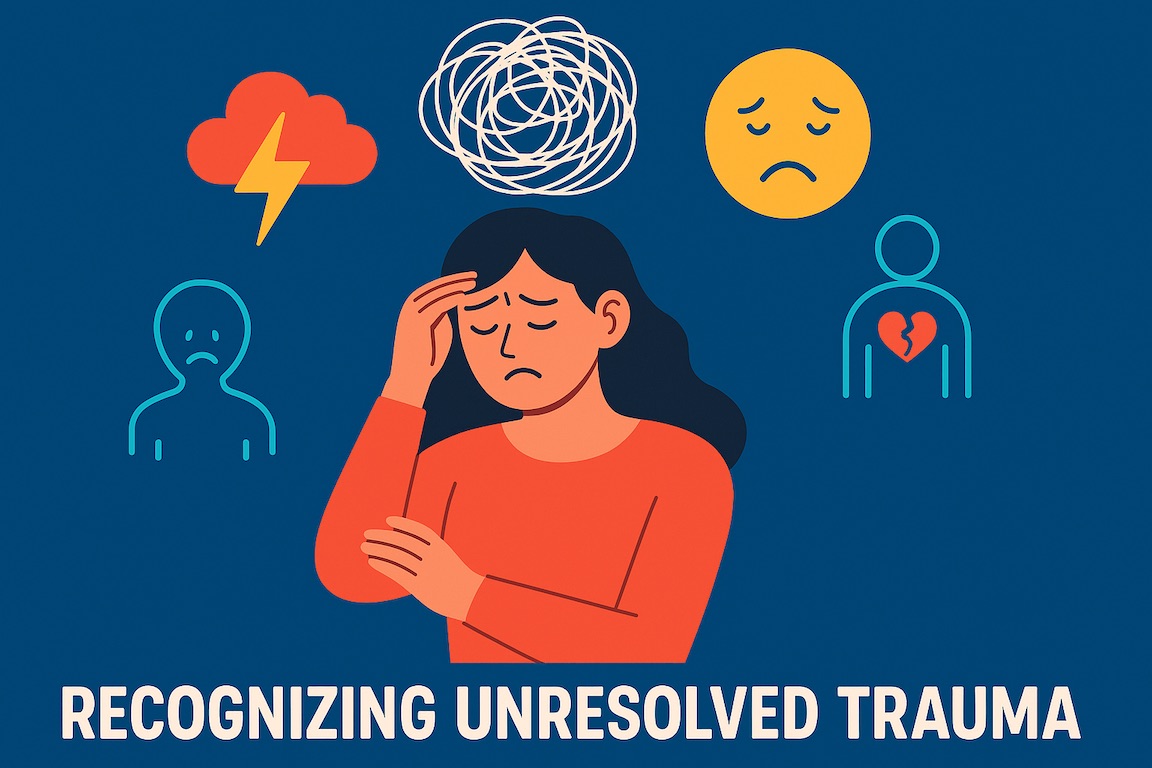
Customers may not even realize that their current signs and symptoms are linked to previous distressing experiences. As a specialist, acknowledging these subtle indicators enables you to provide suitable support and overview your customers in the direction of recovery. Unresolved injury can considerably influence a client's progression in treatment, producing barriers that prevent development and recovery.
CBT help clients in altering trauma-related thoughts and beliefs that add to their distress. With cognitive restructuring, customers discover to determine and test unhelpful ideas, changing them with even more balanced and realistic perspectives. Mindfulness and body awareness methods assist clients deal with physical injury actions by boosting their ability to regulate their nervous system.
Details therapies like eye activity desensitization and reprocessing (EMDR) and trauma-focused cognitive behavioral treatment (TF-CBT) directly address injury memories and their associated feelings. These strategies assist clients process terrible experiences in a secure and regulated fashion, reducing the intensity of their trauma reactions with time. When dealing with clients that have actually experienced trauma, it's important to speed the healing procedure according to their specific needs and preparedness.
Developing a risk-free, foreseeable, and encouraging atmosphere is very important for customers to really feel comfy exploring their injury and developing new coping methods. This includes establishing clear boundaries, maintaining consistency in sessions, and giving a non-judgmental space where customers feel heard and verified. The specialist plays an important function in creating safety and trust fund, which are key for recovery trauma.
Reconnecting to True Needs
Trauma survivors usually have a hard time with feelings of shame, sense of guilt, or self-blame associated to their trauma. Therapists can assist relieve these sensations by: Identifying that trauma feedbacks are regular reactions to uncommon occasions.
Over time, this direct exposure can deeply impact a therapist's worldview, spirituality, and feeling of self. This includes: Normal workout, meditation, hobbies, and leisure techniques can aid take care of stress and anxiety degrees. Peer assistance groups, guidance, and individual therapy sessions give possibilities to refine psychological impacts and maintain health.
Finding Experienced Intensive: Executive Functioning Focus Clinicians in New Jersey
Dedicating time to individual partnerships, interests, and self-care tasks outside of job is very important for overall health. Specialists should also stay familiar with their own psychological feedbacks and just how vicarious injury may influence their technique. This implies identifying typical signs such as despair, anger, irritation, difficulty concentrating, adverse thoughts, social withdrawal, fatigue, and physical issues.
Providing culturally responsive solutions that resolve historical injury and move past stereotypes. Therapists can make use of different strategies to aid clients manage their injury actions, such as basing exercises, cognitive behavioral therapy, somatic approaches, and trauma-focused treatments like EMDR and TF-CBT. Pacing the restorative procedure according to the customer's preparedness and keeping a foreseeable, helpful setting are essential for stopping re-traumatization and promoting a feeling of control.
You might experience: Persistent frustrations or migrainesMuscle tension, particularly in the neck and shouldersDigestive concerns (like IBS or queasiness)Inexplicable chronic discomfort or fatigueIf physicians have actually told you your signs are "just stress," yet nothing appears to help, your body may be holding onto trauma in methods you really did not understand. If any of this resonates, treatment can help you comprehend, procedure, and heal.
As specialists, we frequently listen to the question "Just what is a trauma feedback?" from our clients. It's an excellent concern, and one worth checking out deeply. While most of us utilize words "injury" and "stress and anxiety" as if they suggest the very same thing in day-to-day discussion, there's in fact a lot more to recognize concerning just how injury distinctively influences our psychological wellness.
Choosing the Best Neurodiverse-Friendly Therapist
Assume of injury feedbacks as your mind and body's means of protecting you when something takes place that feels as well big to manage. When we experience something overwhelming or deeply traumatic, our brain kicks into survival mode. You might have come across "battle or flight" however there's additionally "freeze" and "fawn" (people-pleasing). These aren't just abstract principles; they're extremely genuine responses that can reveal up today or often years later, depending upon what you have actually been through.
Trauma feedbacks can appear in day-to-day scenarios or throughout therapy sessions. Customers may come to be easily set off, shut down mentally, or respond highly to particular topics.
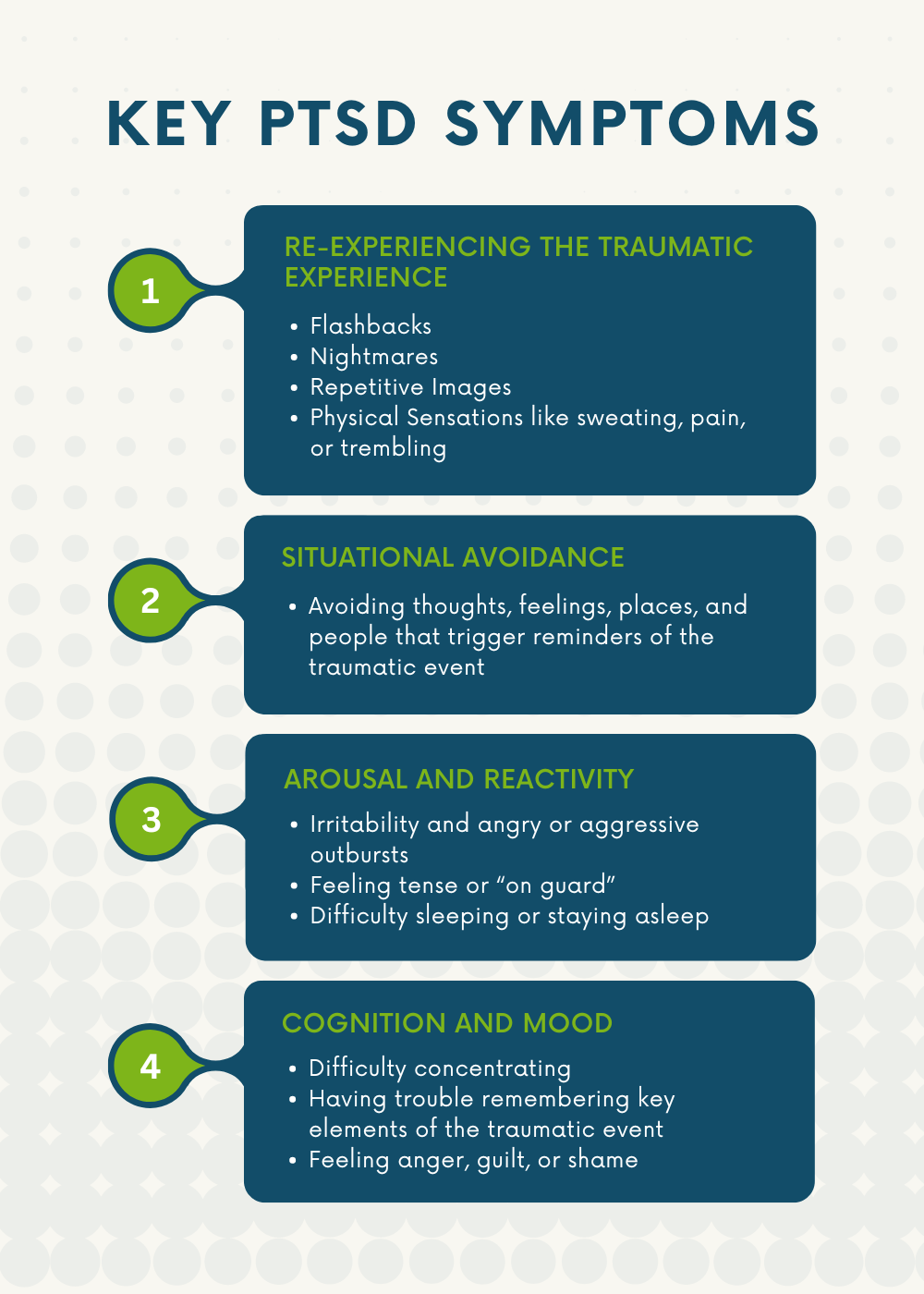
Customers might not also be conscious that their present signs are connected to past stressful experiences. As a specialist, recognizing these refined indicators permits you to offer proper assistance and guide your clients towards healing. Unresolved injury can considerably affect a client's progress in therapy, creating challenges that impede growth and recovery.
CBT aids customers in transforming trauma-related ideas and beliefs that add to their distress. Via cognitive restructuring, customers learn to determine and test purposeless thoughts, replacing them with more balanced and practical viewpoints. Mindfulness and body awareness techniques help clients address physical injury responses by enhancing their ability to manage their nervous system.
Selecting the Right ND-Affirming Therapist
Certain treatments like eye movement desensitization and reprocessing (EMDR) and trauma-focused cognitive behavior modification (TF-CBT) directly address injury memories and their associated feelings. These approaches assist clients refine terrible experiences in a secure and controlled manner, decreasing the strength of their injury feedbacks in time. When collaborating with customers that have actually experienced trauma, it's essential to speed the restorative process according to their individual needs and readiness.
Creating a safe, foreseeable, and encouraging environment is very important for clients to really feel comfy exploring their trauma and developing new coping methods. This involves establishing clear limits, maintaining consistency in sessions, and supplying a non-judgmental area where customers really feel heard and verified. The specialist plays a vital role in developing security and trust fund, which are key for recovery trauma.

Navigation
Latest Posts
Evaluating Depth Psychology from Alternative Approaches for Parent Guidance
Adolescent Treatment: Managing Teen-Specific Challenges
Selecting the Ideal ND-Affirming Therapist