Table of Contents
- – Comprehending the Consuming Disorder-OCD Link
- – Eating Disorders in Athletes and Dancers: An U...
- – OCD Treatment: Beyond Contamination Concerns
- – EMDR Intensives for Trauma-Based Eating Disorders
- – Anxiousness Treatment as Foundation for Recupe...
- – Searching For Specialized Treatment for Enduri...
The junction of eating conditions and obsessive-compulsive disorder represents one of the most difficult presentations in mental health treatment. These problems commonly share underlying patterns of rigid reasoning, anxiety-driven habits, and attempts to control unpredictability with ritualistic actions. For professional athletes, dancers, and people with perfectionist tendencies, these problems can end up being especially set, woven into identity and efficiency in manner ins which make recognition and therapy extra intricate.
Comprehending the Consuming Disorder-OCD Link
Consuming problems and OCD share substantial neurobiological and emotional overlap. Both conditions include intrusive thoughts, uncontrollable behaviors, and heightened anxiousness when routines are interfered with. Research study suggests that about 40% of people with eating problems additionally fulfill standards for OCD, suggesting these conditions might stand for various expressions of similar underlying susceptabilities.
The relationship in between these conditions often materializes as a savage cycle. Compulsive thoughts concerning food, physique, or weight drive compulsive eating habits, workout rituals, or limiting patterns. These habits temporarily reduce anxiousness, strengthening the cycle and making it progressively harder to damage. With time, what began as attempts to take care of stress and anxiety or achieve specific objectives evolves right into a rigid system that controls everyday life.
Eating problem treatment that addresses these obsessive-compulsive features requires specialized understanding. Common methods to disordered eating may miss the anxiety-driven systems keeping actions, while conventional OCD therapy may forget the body picture and identity parts central to eating disorders. Integrated therapy approaches recognize this intricacy and address both the obsessive-compulsive patterns and the particular attributes of disordered eating.
Practitioners concentrating on this junction, such as those at Live Mindfully Psychotherapy, understand that effective treatment needs to deal with numerous layers concurrently. This consists of working with the cognitive rigidness attribute of both conditions, the underlying stress and anxiety driving habits, and the identification elements that make change feel threatening.
Eating Disorders in Athletes and Dancers: An Unique Challenge
Athletes and professional dancers face particular susceptability to consuming problems, with prevalence rates substantially greater than in the general population. The emphasis on body composition, weight demands, and visual suitables in these areas produces a setting where disordered consuming can establish under the role of commitment or professionalism and trust. What starts as "" tidy eating"" or "" ideal fueling"" can progressively evolve into restrictive consuming conditions that jeopardize both health and wellness and efficiency.
The sports and dancing areas commonly stabilize habits that would certainly be recognized as disordered in various other contexts. Extensive training sessions, inflexible dish timing, obsessive body checking, and exercise compulsion might be viewed as indicators of dedication as opposed to cautioning signs. This normalization makes it harder for athletes and dancers to recognize when their connection with food and exercise has gone across into pathological region.
Perfectionism, extremely valued in athletic and creative quests, acts as both a threat element and preserving mechanism for consuming problems. The very same qualities that drive quality-- self-control, focus to detail, high requirements-- can fuel obsessive patterns around food and body. Athletes and dancers typically fear that addressing their eating condition will certainly compromise their performance, not acknowledging that the disorder itself is limiting their potential via physiological depletion and emotional preoccupation.
Specialized eating disorder therapy for athletes and professional dancers must navigate these special dynamics. Treatment methods that honor the individual's commitment to their sport or art while attending to the harmful patterns show most efficient. Therapists collaborating with these populaces understand sport-specific pressures and can assist customers create much healthier relationships with food and body without needing them to abandon their athletic or creative searches.
OCD Treatment: Beyond Contamination Concerns
While several associate OCD with contamination worries and hand cleaning, the problem manifests in varied methods. Invasive thoughts concerning harm, sex-related web content, religious worries, or proportion can be equally distressing. For individuals with eating problems, OCD typically entails obsessions concerning food, contamination problems pertaining to eating, or obsessions around workout and body monitoring.
Efficient OCD therapy commonly entails direct exposure and feedback prevention (ERP), a therapy approach that aids individuals encounter been afraid situations while standing up to uncontrollable feedbacks. For consuming problem presentations with OCD attributes, this might consist of exposures to feared foods, minimizing body checking habits, or enduring unpredictability around eating choices. The procedure is gradual and personalized, valuing everyone's preparedness while testing avoidance patterns that preserve anxiousness.
OCD IntensivesCognitive-behavioral therapy for OCD helps individuals recognize the thought patterns that sustain compulsions. Discovering to recognize compulsive ideas without engaging with them through routines confirms central to recovery. This metacognitive recognition-- the capability to observe thoughts without automatically thinking or acting on them-- represents a critical ability that benefits both OCD and eating disorder recovery.
Lots of individuals with OCD and eating conditions additionally battle with perfectionism, watching anything much less than full control as failing. This all-or-nothing reasoning encompasses treatment itself, with individuals often believing they should be "" perfect"" at healing. Therapy needs to deal with these perfectionistic requirements, aiding clients create self-compassion and tolerance for the unpleasant, nonlinear nature of healing.
EMDR Intensives for Trauma-Based Eating Disorders
Significantly, medical professionals recognize that lots of eating conditions have origins in traumatic experiences. Whether developmental trauma, details traumatic occasions, or the build-up of negative experiences, unsolved injury usually underlies the need for control that consuming conditions provide. EMDR intensives supply a focused technique to processing these distressing foundations, resolving the much deeper drivers of disordered eating.
EMDR intensives compress therapy right into extensive sessions over days instead of weeks, enabling even more detailed handling. For eating condition treatment, this extensive layout can speed up development by resolving numerous terrible memories or experiences in a focused timeframe. The method confirms particularly important for people who have actually finished typical eating disorder treatment but continue battling with underlying stress and anxiety or trauma-related triggers.
Kelsey is not only an exceptionally qualified therapist, she is also warm and genuine. If you are struggling with recovery from eating disorder don’t hesitate to reach out to her!
The link in between injury and eating disorders shows up in different ways. For some, disordered eating represents an attempt to reclaim control after experiences of powerlessness. For others, body frustration connects to messages obtained during developing years or specific traumatic experiences. EMDR aids reprocess these memories and associated beliefs, lowering their emotional cost and enabling for even more flexible self-perception.
Integrating EMDR intensives with recurring eating problem therapy and nutritional assistance creates an extensive treatment strategy. While EMDR addresses underlying trauma, concurrent assistance assists people establish new coping devices and keep recovery-oriented behaviors. This incorporated approach identifies that consuming problems offer features in people's lives, and enduring adjustment requires both processing what drove the problem and building alternative means of handling distress.
Anxiousness Treatment as Foundation for Recuperation
Stress and anxiety underlies both consuming problems and OCD, making anxiousness monitoring abilities essential for healing. Discovering to endure unpredictability, handle physical anxiety sensations, and react to hard emotions without considering problem actions represents core work in therapy. Stress and anxiety therapy provides these foundational skills while aiding people recognize their special stress and anxiety patterns.
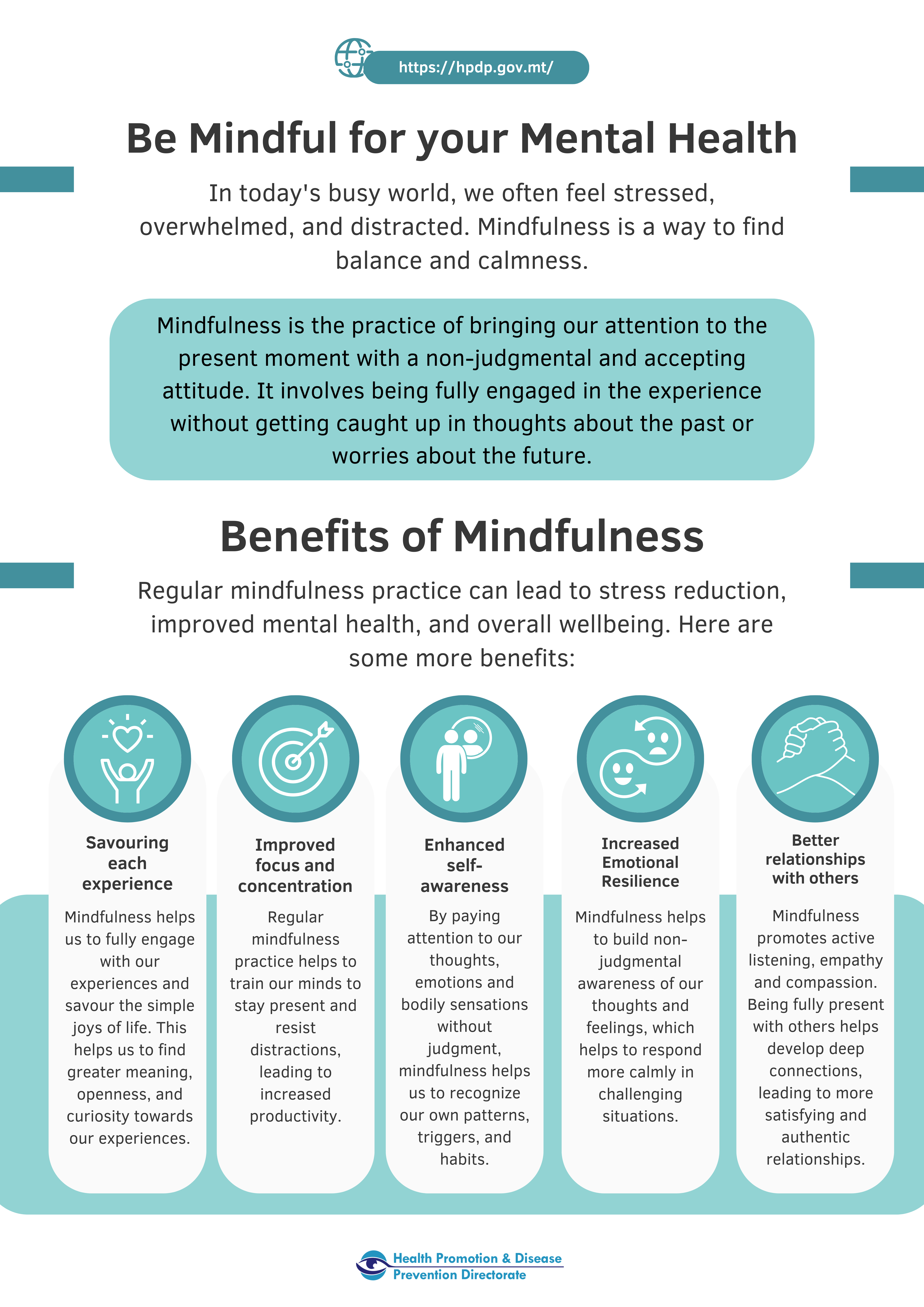
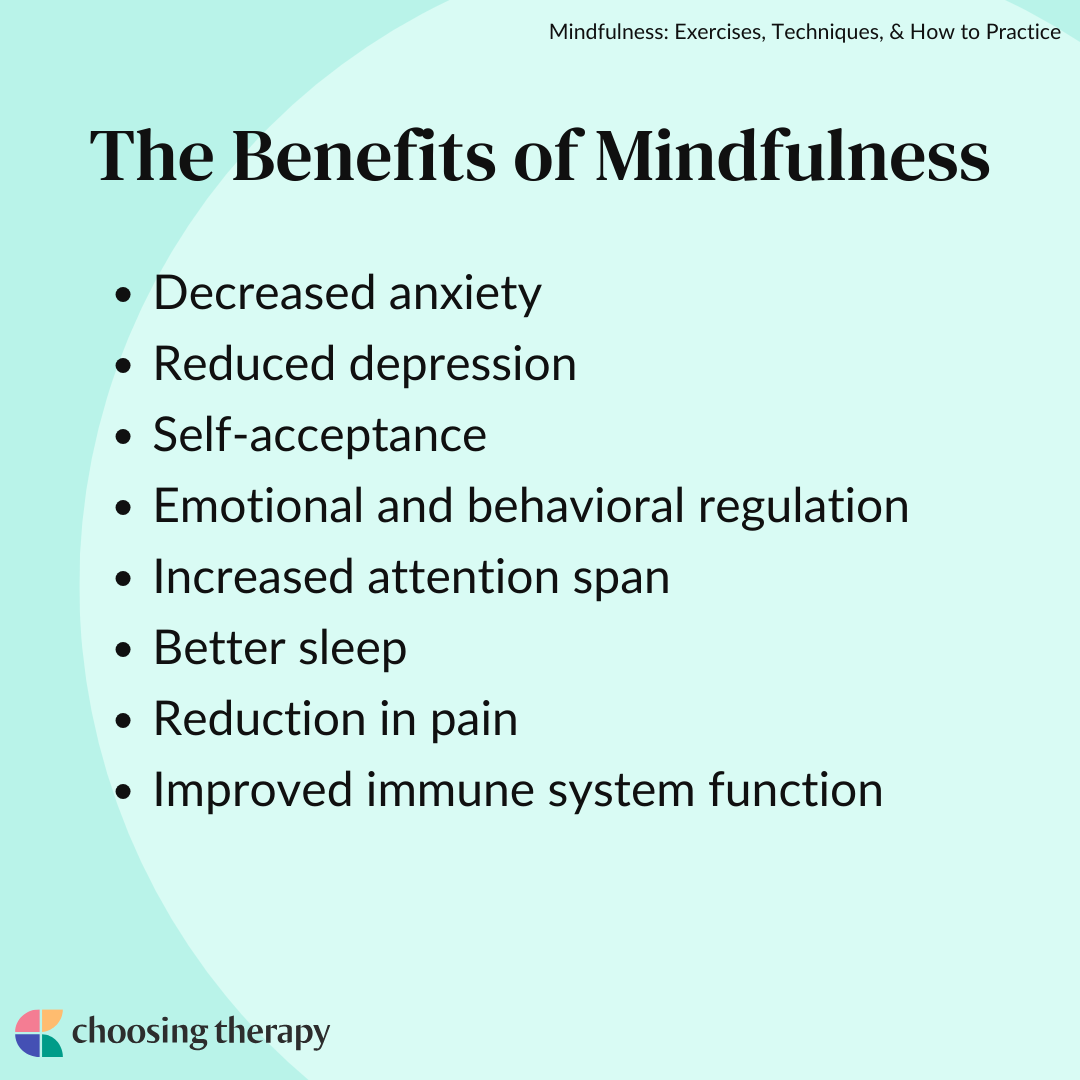
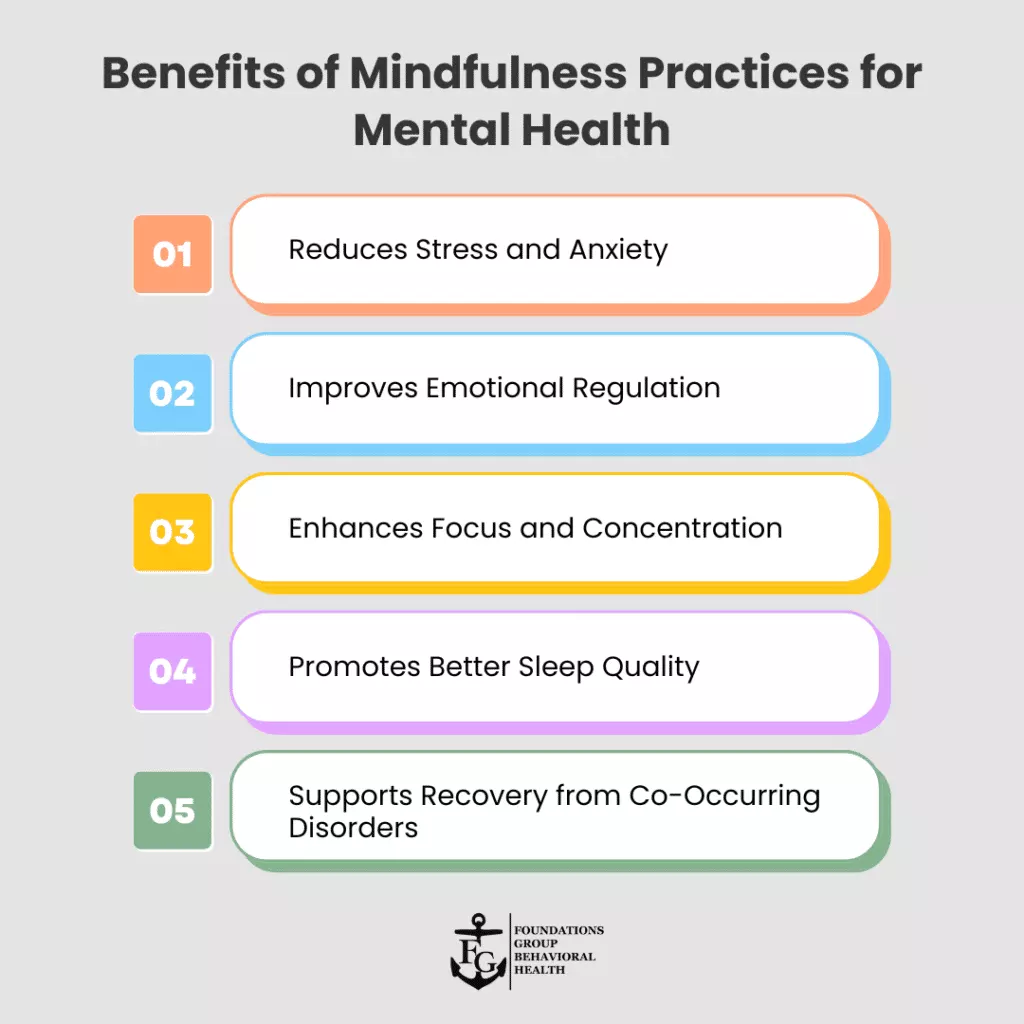
Mindfulness-based approaches verify particularly valuable for consuming disorder and OCD therapy. These techniques help people observe thoughts and experiences without promptly reacting, creating space in between triggers and reactions. For somebody with an eating condition, mindfulness could include observing anxiousness around food choices without immediately restricting. For OCD presentations, it may indicate observing intrusive ideas without taking part in compulsive responses.
Somatic strategies to anxiousness therapy address the body-based elements typically forgot in cognitive treatments. Several individuals with eating disorders and OCD experience heightened interoceptive recognition-- sensitivity to internal physical experiences-- which can drive stress and anxiety and uncontrollable actions. Discovering to manage the nervous system via breath job, modern relaxation, or other somatic methods supplies concrete devices for managing anxiousness in real-time.
Searching For Specialized Treatment for Enduring Recuperation
Recovery from consuming disorders and OCD requires specific treatment that resolves the unique attributes of these conditions. Common strategies might supply temporary relief yet typically miss the keeping systems that drive relapse. Therapists with particular training in eating problems, OCD, and injury recognize these nuances and can supply targeted interventions that resolve origin as opposed to simply symptoms.
When seeking therapy, take into consideration specialists that integrate multiple evidence-based methods rather than relying on a solitary method. Consuming disorders and OCD rarely react to one-size-fits-all therapy, and versatility in method permits specialists to adjust treatments to private demands. Furthermore, collaboration with various other suppliers-- such as dietitians, medical professionals, and psychiatrists-- commonly proves important for thorough treatment addressing all elements of recovery.
OCD IntensivesFor athletes, dancers, and perfectionists dealing with eating disorders or OCD, finding a therapist that understands these certain contexts makes significant distinction. Treatment that honors your worths and goals while dealing with dangerous patterns creates the structure for sustainable recuperation that boosts rather than limitations your life and quests.

Table of Contents
- – Comprehending the Consuming Disorder-OCD Link
- – Eating Disorders in Athletes and Dancers: An U...
- – OCD Treatment: Beyond Contamination Concerns
- – EMDR Intensives for Trauma-Based Eating Disorders
- – Anxiousness Treatment as Foundation for Recupe...
- – Searching For Specialized Treatment for Enduri...
Latest Posts
Recovery from Calorie Counting
Creating Personalized Care in Hartford
Comprehensive Mental Health Treatment: A Deep Study Modern Treatment Solutions
Navigation
Latest Posts
Recovery from Calorie Counting
Creating Personalized Care in Hartford
Comprehensive Mental Health Treatment: A Deep Study Modern Treatment Solutions